The Art of the Did-Not-Finish
Putting a book down for good is a decision, not a defeat.
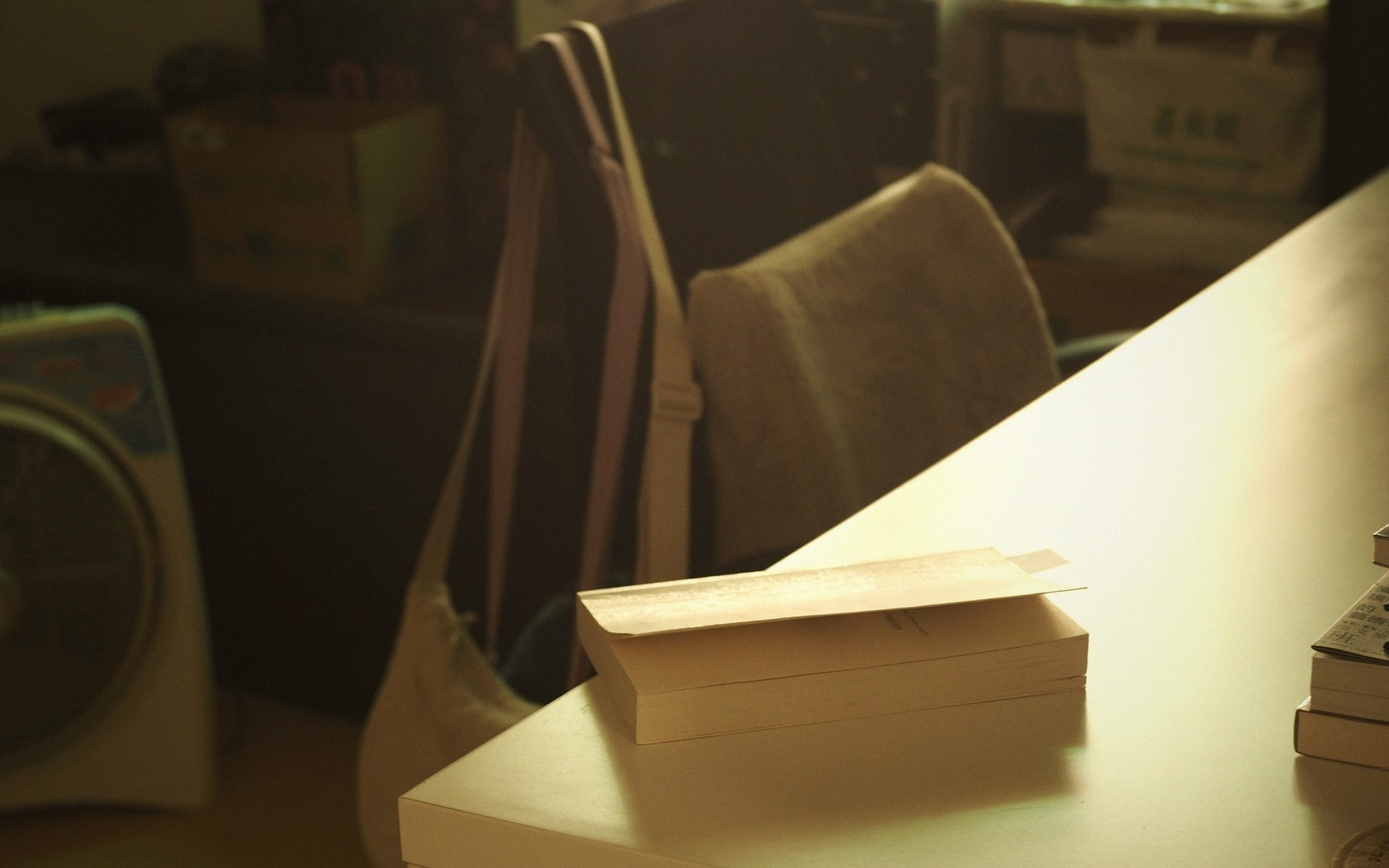
I.You Are Allowed to Stop
Somewhere along the way — school, probably — most readers absorbed the idea that abandoning a book is a kind of moral failure. The result: millions of people grinding through novels they stopped enjoying on page forty, martyrs to the bookmark.
Here is the simpler truth: finishing every book you start is not a virtue. It's just a habit, and not a particularly useful one.
The case for the deliberate DNF rests on arithmetic. The average reader finishes perhaps a dozen books a year; a serious, fast reader might manage twice that. Against the number of books worth reading — which runs, by any generous count, into the tens of thousands — every hour spent grimly completing a book that has failed you is an hour stolen from one that won't.
“Finishing every book you start is not a virtue. It’s just a habit, and not a particularly useful one.”
The guilt usually comes from conflating two different things: giving up (quitting because something is hard) and stopping (deciding that this book, right now, is the wrong book). Hard is not the same as wrong. A novel that demands effort, attention, a slower pace — that's a negotiation worth having with yourself. But a book that bores you, that you've read fifty pages of and feel nothing toward — that is not a test you need to pass. It's just a book that isn't yours.
Practical rule of thumb: the hundred-pages-minus-your-age formula has been floating around long enough to be almost a cliché, but the principle underneath it is sound. The older you get, the less time you have, and the more honestly you know your own tastes. Adjust accordingly.
What the DNF is not: a verdict on the book itself. Some books are simply wrong for where you are — the wrong season, the wrong mood, the wrong decade of your life. Many readers who abandoned Middlemarch at twenty-two found it waiting for them, newly perfect, at thirty-eight. Put the book down cleanly, without prejudice. It goes back on the shelf, not in the bin.
The reader who finishes everything is not more serious. They're just less honest about the relationship between time and pleasure. Stop when the book has stopped working for you — and start, immediately, the one that will.