Reading Shakespeare for Fun (Yes, Fun)
Shakespeare wrote scripts, not page-literature. Read the plays out loud, in company, with the footnotes closed, the way they were meant to work.
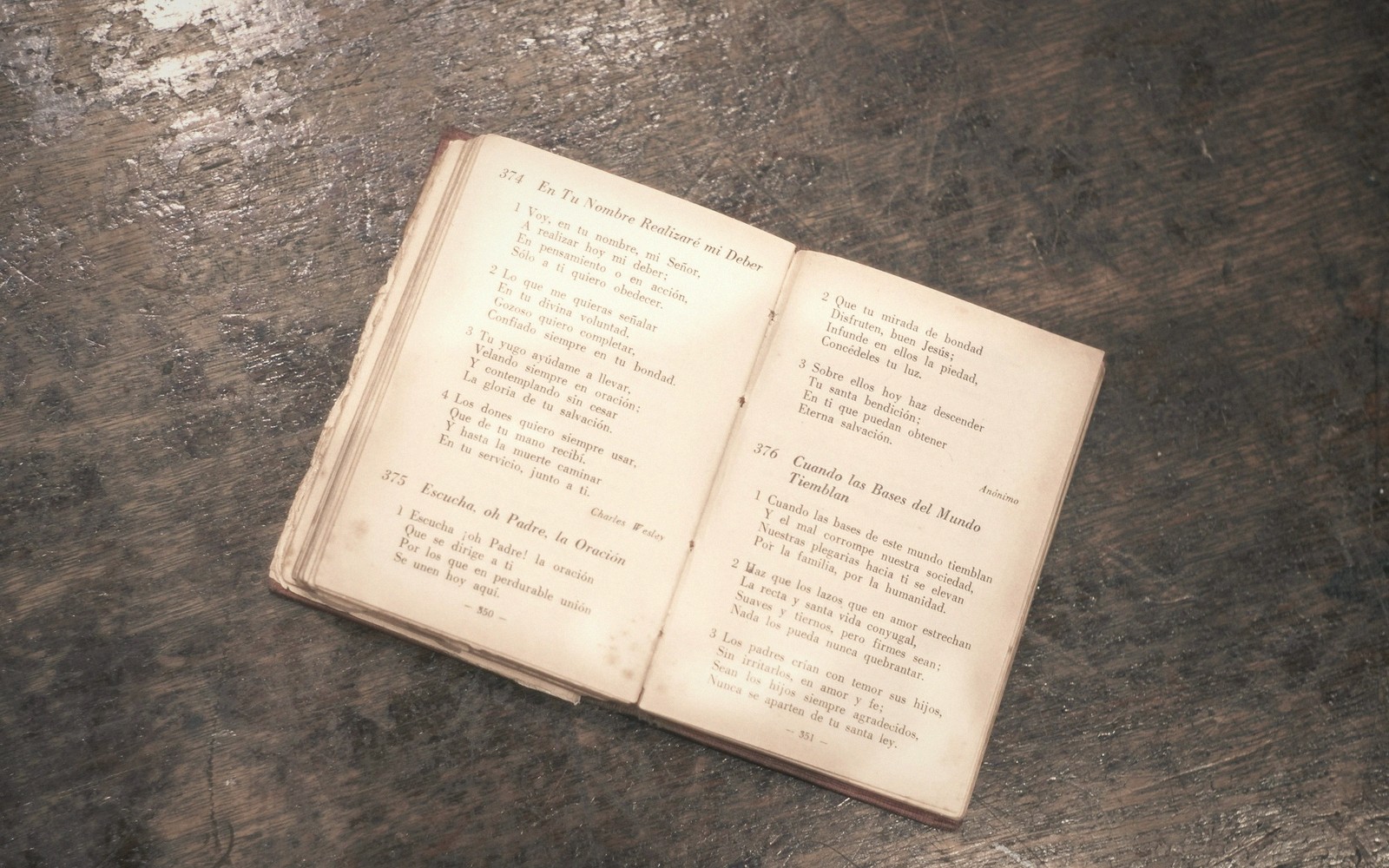
Most of us encountered Shakespeare in the worst possible way: hunched over a school text, footnotes crowding the page, a teacher asking what the imagery means. No wonder the plays feel like homework in retrospect. The footnotes were the problem. The sitting still was the problem. Shakespeare wasn't written to be read like that. It wasn't written to be read at all.
This is the single most liberating fact about the plays: they are scripts. They were made for bodies in space, for breath and argument and the back of the house. Approaching them as silent page-literature is like trying to enjoy a piece of music by staring at the score.
I.Get the words into the air
The first move is almost embarrassingly simple: read aloud. Even alone, even badly, even with a glass of wine on the table. Something immediate happens when Shakespeare leaves the eye and enters the mouth. The iambic pentameter — that ten-syllable heartbeat — stops being an abstract concept and starts doing real work. You feel where the stress falls, where the line trips deliberately, where the rhythm breaks to signal a character cracking under pressure. Hamlet's "To be, or not to be" works partly because the metre bends under the weight of the thought, and elsewhere in the play the verse gives way to prose altogether: the prince's mind, and the verse, destabilise together: the prince's mind, and the verse, destabilise together.
You do not need to understand every word on first encounter. The plays contain roughly 17,000 unique words, and about 1,700 of those are first recorded in his work — coined by Shakespeare himself, or at least first found there. You will miss some. It does not matter. The shape of a scene, its emotional pitch, its comedy or grief: these arrive through sound before meaning. Trust that process. Children watching a live performance understand far more than they expect to, because Shakespeare wrote for an audience most of whom could not read.
II.Bring a friend (or several)
The plays become more fun the more bodies you throw at them. You do not need a theatre, a director, or any kind of production value. You need people willing to take a part and go. Kitchen tables work fine. The Globe itself was raucous, crowded, and outdoors; a sitting room is an upgrade.
A few practical notes from anyone who's done it. Assign parts by whoever wants them, not who "should" read them by gender or type — half the fun of an impromptu reading is a sixty-year-old man playing Beatrice, or everyone fighting over who gets Falstaff. Keep a rotating reader for stage directions, which Shakespeare's plays typically lack (the folio editions contain very few), so you'll probably use a modern edition: the Arden, Oxford, or Penguin all do this work reliably. Read a scene, then talk about it — not in a seminar way, but in a "what just happened and why is that funny/appalling/sad?" way.
“You do not need a theatre, a director, or any kind of production value.”
The comedies are the best entry point for this kind of reading. Much Ado About Nothing is genuinely funny performed around a table; the gulling scenes in the orchard play almost perfectly even without movement. A Midsummer Night's Dream contains some of the best comic bits in the entire canon — Bottom the weaver preparing to play a lion is a set piece that hasn't aged a day. If you prefer something darker from the off, Macbeth is the shortest of the tragedies and moves at speed; it takes about two hours in a professional production, which means a reading fits in a single evening.
III.Loosen your grip on comprehension
The anxiety that kills amateur Shakespeare reading is the conviction that you need to understand what you've heard before proceeding. Resist it. Contemporary audiences at the Globe heard the same speeches once, in real time, with no pause button and no glossary. They laughed, they wept, they threw things. They got what they needed from the experience without fully parsing every line.
This is also the argument against annotated reading as your primary mode. Footnotes drag you out of the text at the precise moment the text is asking you to stay in it. There is a time for footnotes — for close study, for the particular pleasure of learning that a word meant something different in 1603 — but that time is not your first encounter. Get through it first. The analysis can wait.
A few editions exist specifically to help here. The No Fear Shakespeare series gives modern English paraphrases on facing pages, which sounds like cheating but functions usefully as a safety net for the genuinely stuck — as long as you use the original side as your primary read, not the translation. Better still: a good recording. The RSC, the BBC, and dozens of independent productions have put the full plays on audio. Listening before reading, or while following along, resets the whole thing.
IV.The plays are a practice, not a monument
Shakespeare works on you cumulatively. The first play you read this way will feel slightly effortful. The second will feel easier. By the third, you will have internalised the rhythms well enough that early modern English starts to parse almost automatically.
A classic is just a book that survived, but it survives for a reason — and Shakespeare's reason isn't scholarly prestige. It's that these plays contain every human situation anyone has ever found themselves in, described with astonishing precision, and they are funnier, stranger, and more alive than the school-text version ever let on. The only way in is through. Open your mouth and begin.